Case summary
Failed USB access led to direct NAND recovery work.
The device was a 32GB PNY USB flash drive using an SM controller. When connected to a computer, the flash drive produced the normal USB connection sound, but it did not allow access to files and did not appear as a usable drive on the computer.
Device
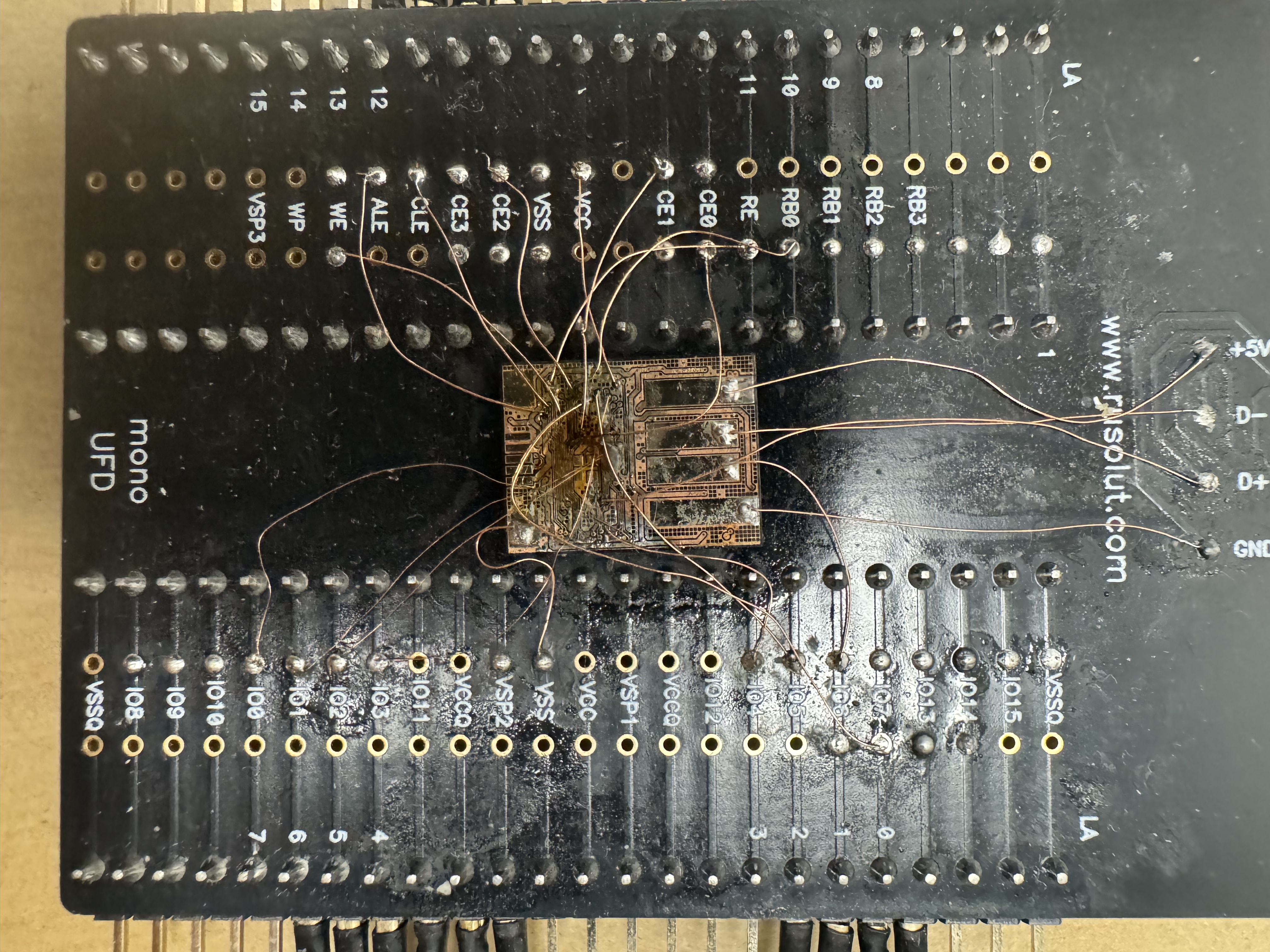
32GB PNY USB flash drive with an SM controller and monolith UFD chip design.
Failure symptom
The drive chimed on connection, but The computer could not mount the device or provide access to the data.
Diagnosis
Testing indicated controller or firmware corruption, preventing normal USB translation of the NAND memory.
Recovery path
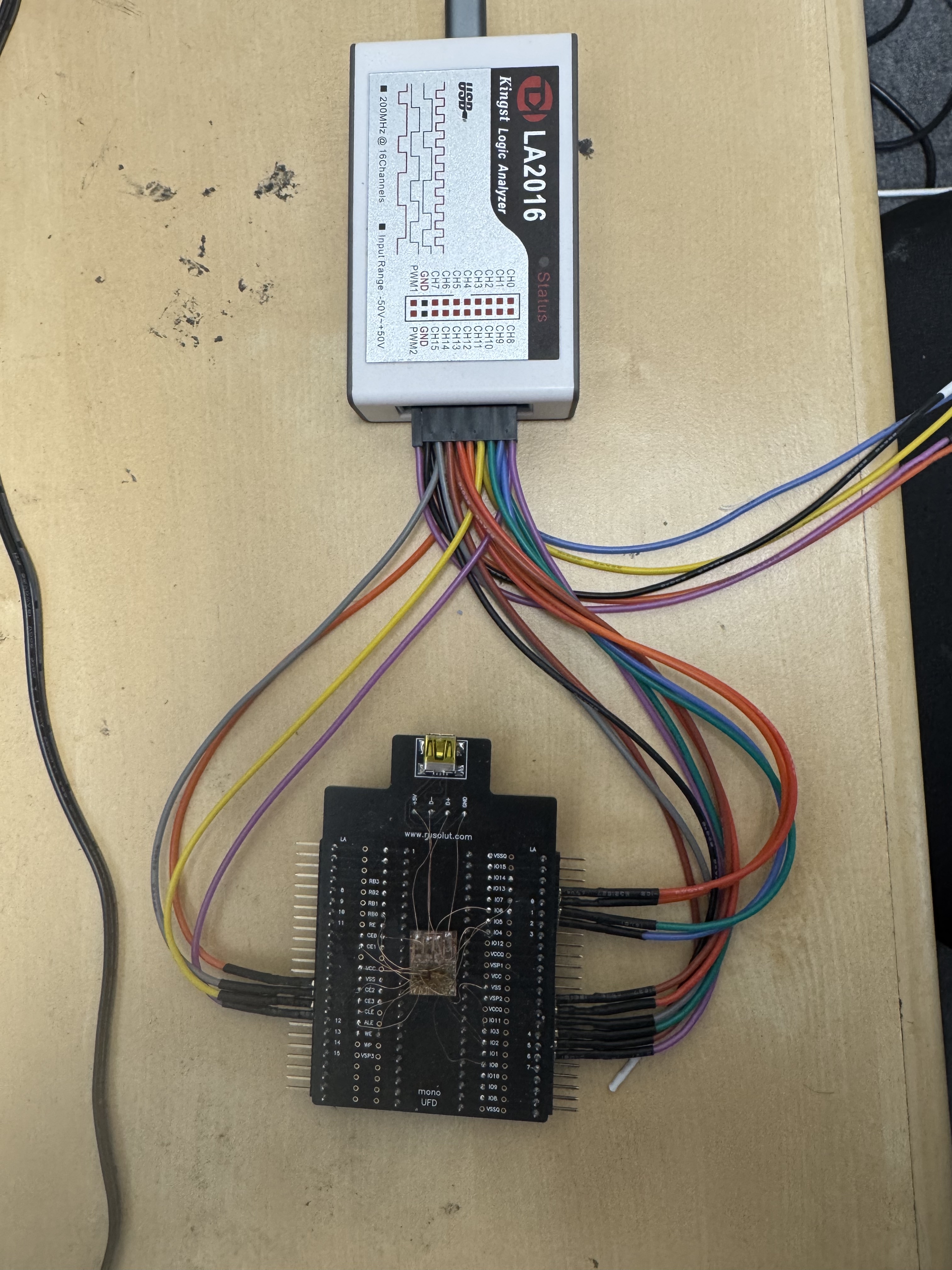
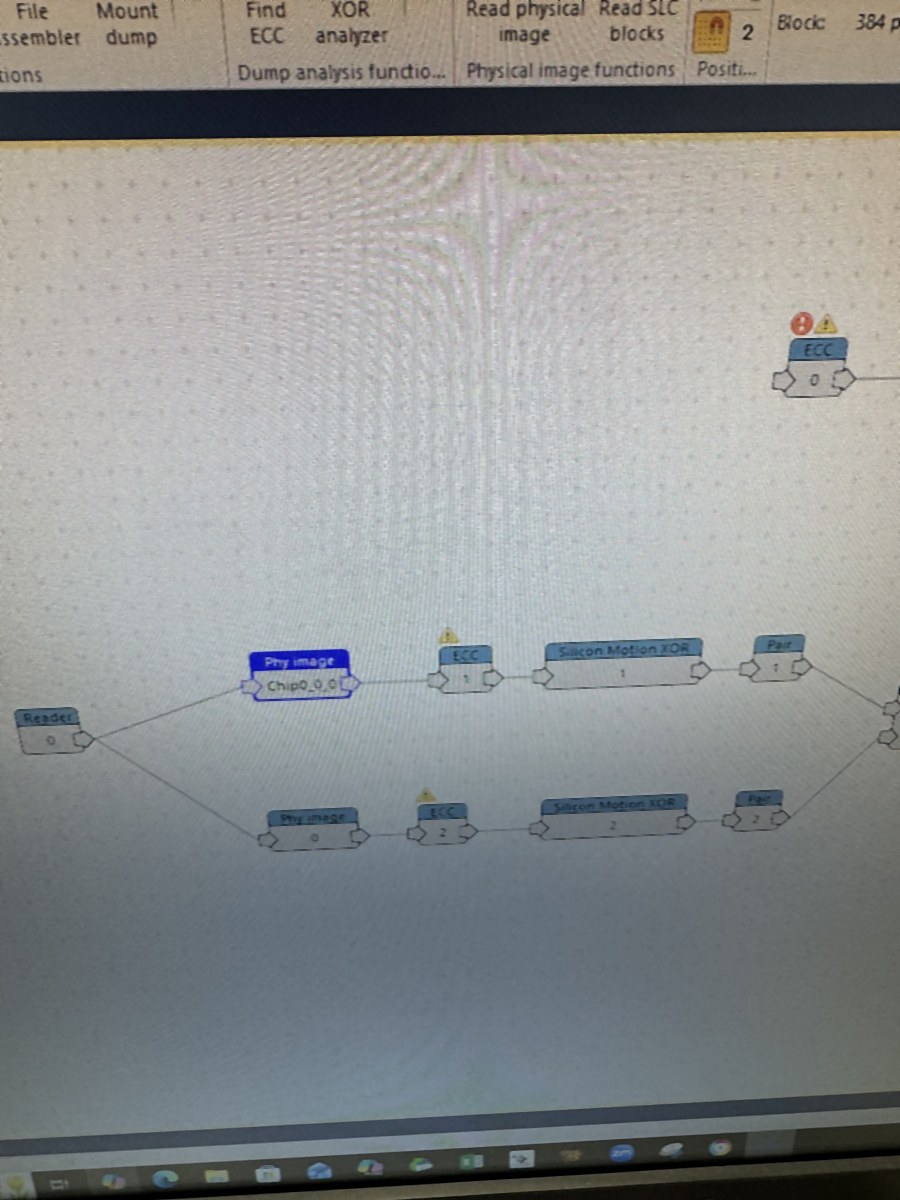
Direct NAND access, pinout tracing, controlled imaging, and software reconstruction of the controller operation.
What chip-off means
Reading the memory directly when the controller cannot do its job.
A USB flash drive normally depends on its controller to translate raw NAND memory into readable files. If the controller or firmware is corrupted, the computer may detect that something was plugged in while still being unable to access the data. Chip-off recovery bypasses that failed controller path and works directly with the memory.
In monolith USB flash drives, the controller and memory are built into a very small package. Instead of simply removing a separate NAND chip, the lab must identify the correct electrical access points. That is the pinout process. Once the pinout is determined, the memory can be read and the controller behavior can be reconstructed in software.
Outcome
Pinout analysis allowed the data to be reconstructed.
After pinout analysis and determination, OmniData was able to reconstruct the controller operation and regain access to the data. The case was handled inside the North York lab using direct NAND access and privacy-conscious handling.