
Damaged USB interfaces
USB drives with bent, snapped, loose, or physically damaged interfaces that need controlled lab access before safe imaging.
USB & SD card data recovery
OmniData recovers photos, videos, documents, and business files from USB flash drives, SD cards, microSD cards, camera cards, and other NAND flash media that are broken, unreadable, corrupted, formatted, or physically damaged.
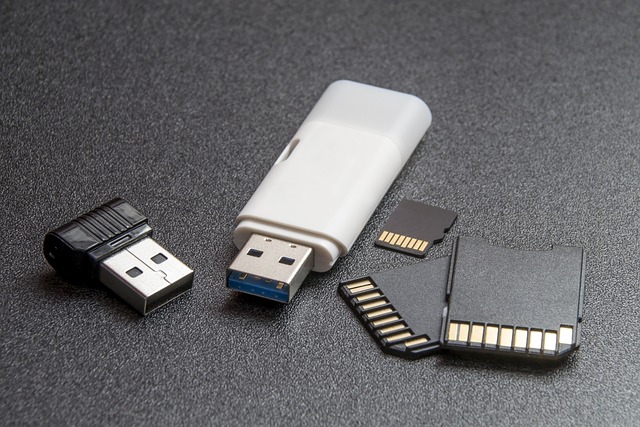
Flash media failure types
Flash media can fail because of interface damage, controller failure, corrupted translation tables, NAND wear, filesystem damage, or improper removal. Recovery depends on diagnosing the device before writing anything back to it.
USB drives with bent, snapped, loose, or physically damaged interfaces that need controlled lab access before safe imaging.
Camera cards, drone cards, phone cards, and dashcam cards that show errors, ask to format, or stop reading.
Flash devices that detect with the wrong size, freeze during copy, disconnect, or fail because of controller or NAND-level problems.
Accidental deletion, formatted cards, corrupted folders, damaged file systems, and lost photos or video files.
Important
If a USB drive or memory card is unstable, repeated scans and recovery attempts can make the damage worse. If files were deleted or the card was formatted, saving new photos or documents can overwrite recoverable data.
Read the USB flash drive not recognized guide Read the SD card format and deleted photo guideCapability declaration
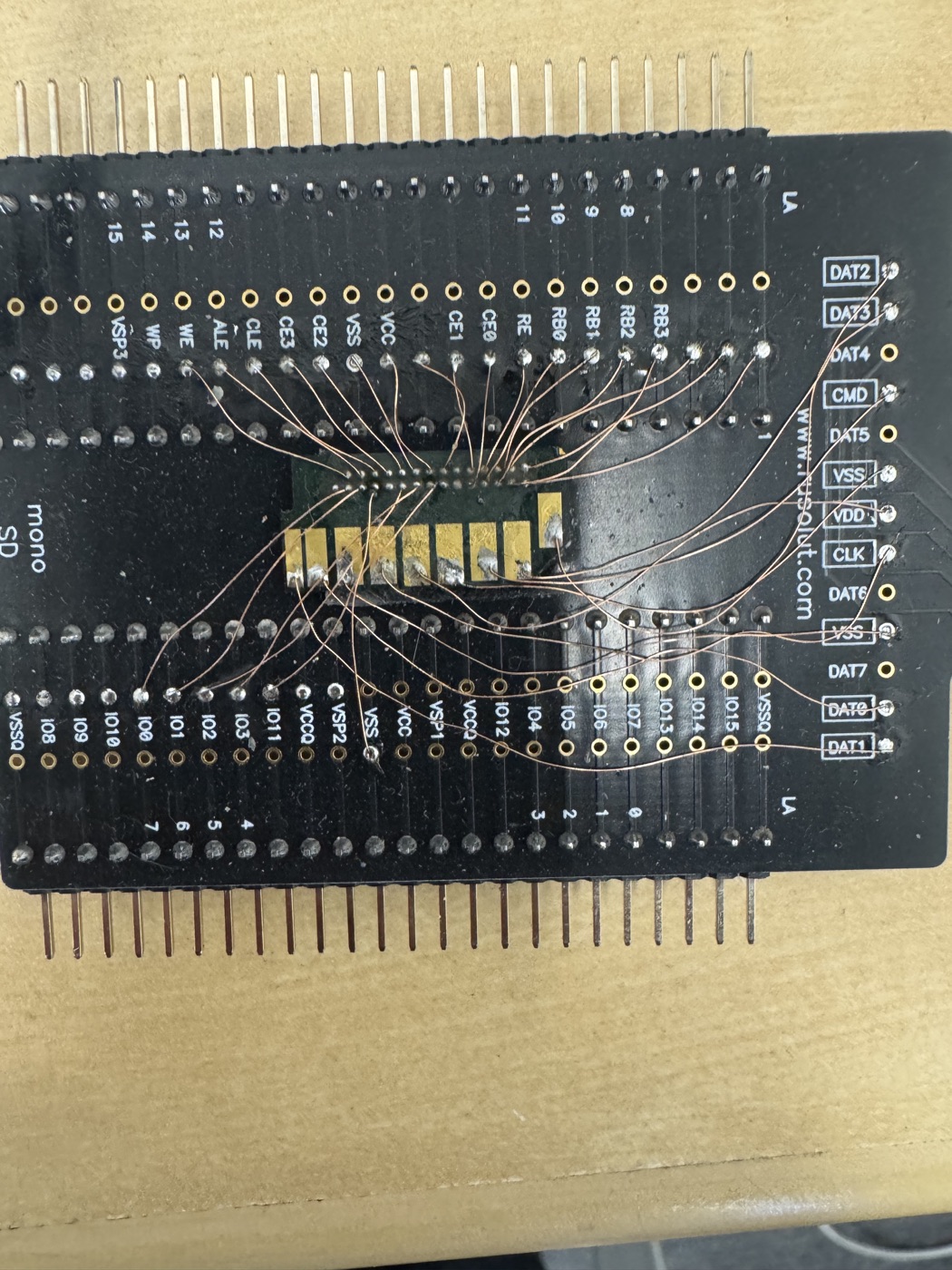
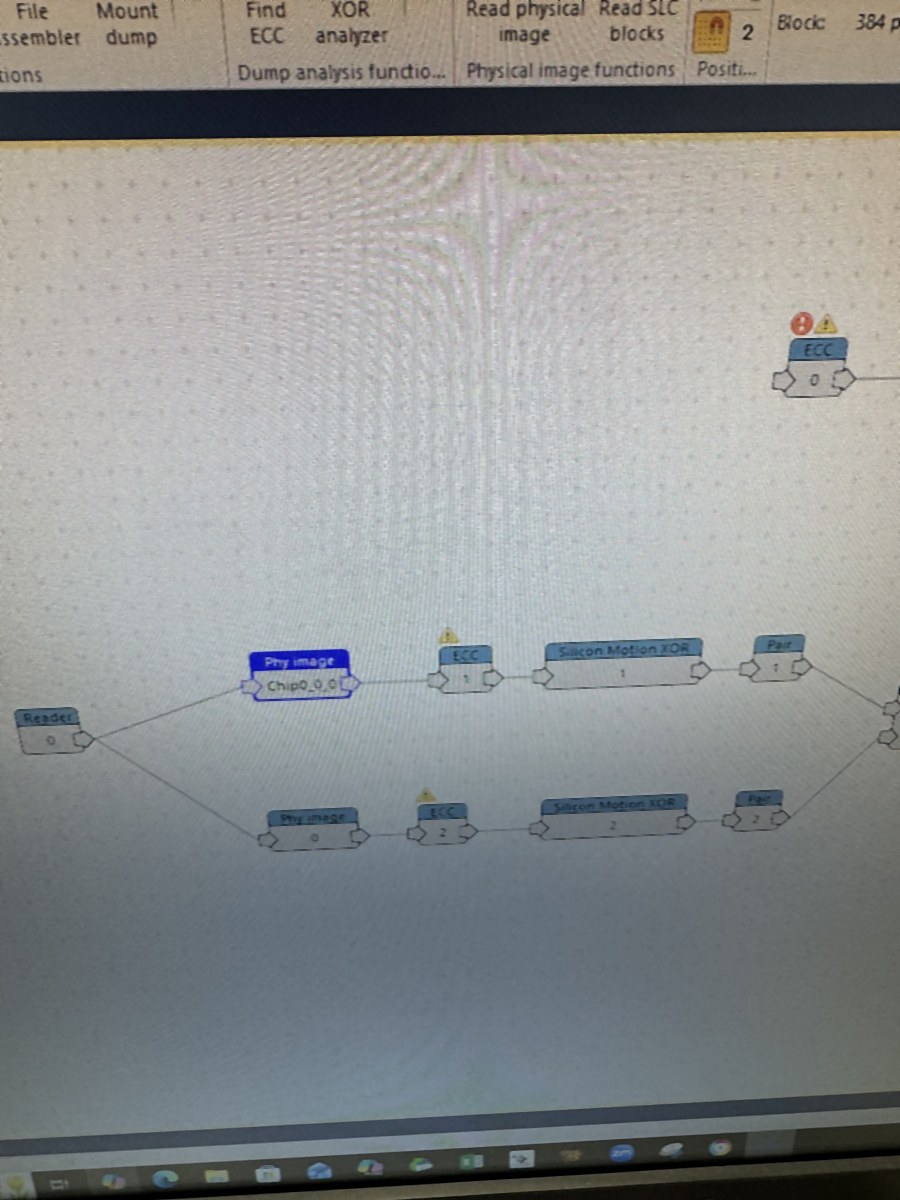
OmniData uses professional flash recovery technology including Rusolut VNR, PC-3000 Flash, controlled imaging, NAND reads, chip-off recovery, chip pinout work, error correction, and translation-table reconstruction. These techniques are used when the controller fails, the device cannot be read normally, or the data layout must be rebuilt from the memory chips.
Lab process
We check for damaged interfaces, cracked boards, failed components, controller issues, and signs of physical damage.
When possible, the device is stabilized or accessed safely enough to create a controlled image before file recovery begins.
Recovered photos, videos, documents, and folders are rebuilt, checked, and returned securely after approval.
In-house flash recovery
USB flash drives and memory cards can look simple, but the recovery may involve electronics work, NAND diagnostics, and careful file reconstruction.
USB & SD FAQ
Often, yes. If the interface or board is damaged, the device may need controlled lab access before it can be imaged safely.
Sometimes. Stop using the card immediately. New photos or videos can overwrite deleted data and reduce the chance of recovery.
No. Formatting can change filesystem structures and make recovery harder. Remove the card and have it assessed before writing anything to it.
Yes. OmniData handles SD, microSD, USB flash drives, camera cards, drone cards, dashcam cards, and other NAND flash media.
In the vast majority of cases, no. A microSD card is extremely small, and the NAND die occupies most of the card body. Any fracture or physical crack through that area is usually detrimental to the ability to recover the data. Bring the card to our lab for a free assessment, because sometimes there is still a small chance depending on where the damage is.
Start safely
Bring the device to OmniData in North York or use the mail-in option if you are outside Toronto.